How Often Should You Replace or Service Your Air Conditioner with an HVAC Company Orlando, FL for Optimal Performance

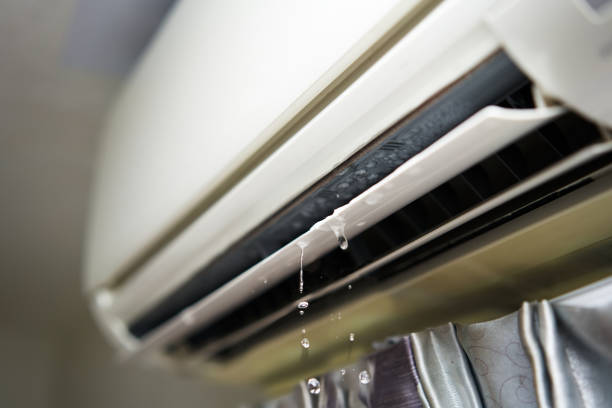
Water leaking from the air conditioner drips from the cooler. Water leaking from the air conditioner drips from the cooler.  AC Service stock pictures, royalty-free photos & images

Maintaining your air conditioner properly is essential for ensuring its efficiency, reliability, and longevity. The frequency with which you need to replace or service your air conditioner depends on several factors, including the system type, usage patterns, and environmental conditions. Below is a comprehensive guide to help you determine how often servicing or replacement might be necessary for optimal performance.

Regular Maintenance Schedule

  • Annual Servicing
    Schedule professional maintenance at least once a year, ideally before the cooling season begins. This ensures that your unit is clean, tuned up, and ready to handle the summer heat.
  • Seasonal Maintenance
    If you live in an area with extreme temperatures or high humidity levels, consider scheduling biannual service (once in spring and once in fall). This helps catch any potential issues early and prepares the system for both cooling and heating seasons if you have an HVAC system that includes heating functionality.

Replacement Timeline

Type of Air Conditioner Average Lifespan Replacement Recommendation
Central Air Conditioning Systems 15–20 years Consider replacement at around 12–15 years if efficiency declines significantly.
Window Units 10 years Replace sooner if frequent repairs are required or energy bills spike dramatically.
Portable Air Conditioners 5–10 years Evaluate condition after 7 years based on performance levels.

Factors Impacting Maintenance Frequency

  1. Usage Levels: Systems running continuously during hot seasons will naturally experience more wear and tear.
  2. Outdoor Environment: Dusty conditions or coastal areas with high salt content can cause faster degradation.
  3. Air Quality: Pollutants in the indoor environment can lead to clogged filters and dirty coils.
  4. Age of Equipment: Older units typically require more frequent inspections as components begin to wear out.

Benefits of Regular Servicing

  • Improved energy efficiency, leading to lower electricity bills.
  • Extended lifespan of the unit due to reduced strain.
  • Enhanced indoor air quality by addressing dirty filters and ductwork.
  • Early detection of potential problems such as refrigerant leaks or compressor malfunctions.

DIY Maintenance Between Professional Services

  • Clean/replace air filters every 1–3 months depending on usage.
  • Keep outdoor units free from debris such as leaves or shrubs.
  • Check thermostat settings periodically for accurate readings.

By adhering to these guidelines, you’ll not only enjoy consistent comfort but also save on long-term costs associated with repairs or replacements due to neglect.

How to Avoid Frequent Orlando AC Repair Needs

Regular air conditioning maintenance is essential for ensuring your system operates efficiently and lasts for years. However, several factors can significantly increase how often your air conditioner (AC) may require service. Understanding these factors can help you take proactive steps to reduce wear and tear on your system and avoid unexpected breakdowns.

1. Geographic Location and Climate

Your local environment plays a significant role in how often your AC needs servicing.

  • Hot or Humid Climates: If you live in a region with consistently high temperatures or extreme humidity levels, your AC may run longer hours to maintain comfortable indoor conditions. This prolonged usage leads to faster wear on components like the compressor, filters, and evaporator coils.
  • Coastal Areas: Salt-laden air near coastal regions can accelerate corrosion of outdoor unit components, increasing the need for frequent cleaning or repairs.

2. Usage Patterns

  • Heavy Usage: Running the AC continuously during hot months can strain critical parts like motors, fans, and refrigerant lines.
  • Improper Thermostat Settings: Frequently adjusting the thermostat or setting it too low adds stress on the unit and shortens its lifespan.

3. Dirty or Blocked Filters

Filters clogged with dust, dirt, and debris decrease airflow efficiency while causing internal components to work harder than necessary. Over time, this increased strain can lead to mechanical failures or overheating issues that demand professional attention.

Filter Type Suggested Replacement Timeframe
Standard Fiberglass Every 1–2 months
Pleated Filters Every 3 months
HEPA Filters Every 6–12 months (depending on use)

4. Poor Installation Practices

An improperly installed air conditioning unit may cause recurring operational problems such as refrigerant leaks, uneven cooling distribution, or inefficient energy use—each requiring more frequent servicing to resolve.

5. Lack of Regular Maintenance

Skipping routine AC maintenance checks makes minor issues go unnoticed until they escalate into major problems requiring costly repairs. A standard annual tune-up helps identify early signs of trouble like worn-out belts or dusty coils that may hinder performance over time.

Recommended Maintenance Schedule: – Biannual Service Checks – For those in temperate climates where both heating and cooling are used throughout the year. – Annual Service Check – Minimum recommendation for cooling-only systems in moderate climates.

6. Environmental Dust and Allergens

Homes located near construction sites or areas prone to high levels of airborne particles are more likely to experience clogged ducts, dirty coils, and blocked outdoor units—all of which necessitate frequent cleaning by professionals.

Taking steps like keeping filters clean, scheduling regular inspections, and using appropriate thermostat settings can help reduce service demands even under challenging conditions. By being mindful of these contributing factors, homeowners can extend their system’s lifespan while improving energy efficiency throughout its operation cycle.
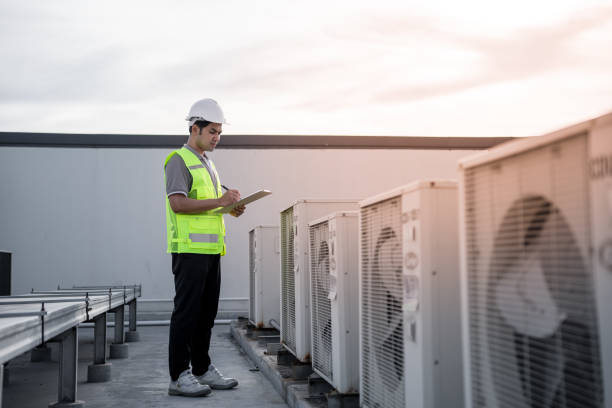
Factory engineers walking and checking the cooling system of the factory. Fore man records the condition of the compressor before maintenance according maintenance plan. Factory engineers walking and checking the cooling system of the factory. Fore man records the condition of the compressor before maintenance according maintenance plan. AC Service stock pictures, royalty-free photos & images

How to Reduce the Need for Frequent Orlando FL Air Conditioning Repair

Air conditioners are a vital component of maintaining indoor comfort, especially during warmer months. However, several factors can influence how often your air conditioning system may require servicing. Understanding these factors can help you stay proactive and avoid unexpected breakdowns. Below is a detailed exploration of the elements contributing to increased service frequency.

1. Environmental Conditions

  • Dusty or Polluted Areas: Excessive dust or pollution can clog filters and reduce airflow, forcing the system to work harder and increasing wear and tear.
  • High Humidity Levels: Humid climates make air conditioners work harder to remove moisture from the air, leading to greater strain on components like compressors and coils.
  • Salt Air Exposure: For homes near coastal areas, salt air can corrode parts like condenser coils, shortening their lifespan significantly.

2. Usage Patterns

  • Extended Use During Summer Months: Running your AC continuously during peak heat seasons can lead to faster deterioration of internal parts like motors and refrigerant lines.
  • Year-Round Usage: In regions where heating isn’t needed as much due to moderate weather conditions, homeowners may rely on their air conditioners for cooling nearly year-round.
  • Improper Thermostat Settings: Frequently setting extremely low temperatures forces the system into overdrive, accelerating wear on components.

3. Poor Installation or Sizing

  • Undersized systems struggling to cool larger spaces efficiently.
  • Oversized units causing short cycling (turning on and off too quickly), which wears down parts faster.

Proper installation by certified technicians is critical for optimal performance.

4. Lack of Regular Maintenance

Routine maintenance plays a significant role in extending the lifespan of an AC unit while minimizing service needs. Ignoring tasks such as filter changes, coil cleaning, or refrigerant level checks increases the likelihood of unexpected failures over time.

Tasks That Should Be Done Regularly:

Task Recommended Frequency
Air Filter Replacement Monthly or Quarterly
Coil Cleaning Annually
Refrigerant Checks Every Service Visit

5. Age of the System

Older systems naturally require more frequent attention due to aging components that are more prone to failure after years of use.

Signs Your Unit May Be Reaching Its Limit: – Increased repair costs outweigh replacement costs. – Consistently reduced efficiency despite regular servicing. – Difficulty maintaining desired temperature levels.

Practical Steps for Minimizing Service Needs

  1. Schedule routine professional maintenance annually.
  2. Replace air filters regularly based on usage levels and environmental conditions.
  3. Avoid overworking your system by setting reasonable thermostat temperatures.
  4. Use surge protectors to prevent damage from power fluctuations.

By taking these steps into account alongside being mindful of external influences like climate and usage patterns, homeowners can enhance their AC’s reliability while reducing long-term service costs effectively.

Comprehensive Guide to What Professional Air Conditioning Service Includes

Regular air conditioning service is crucial to ensure your system operates efficiently, minimizes energy costs, and avoids unexpected breakdowns. Professional AC service goes beyond basic cleaning or maintenance and includes a thorough inspection and servicing of critical components. Below is a detailed guide on what professional air conditioning service typically includes.

Inspection of Key Components

  • Thermostat calibration: Ensuring the thermostat reads temperatures accurately.
  • Electrical connections: Inspecting all wiring, connections, and controls for safety and functionality.
  • Refrigerant levels: Checking refrigerant levels for adequate cooling performance.
  • Compressor efficiency: Testing the compressor’s operation to ensure it functions optimally.

Cleaning Vital Components

  1. Dirty filters restrict airflow, forcing the system to work harder.
  2. Professionals may clean reusable filters or recommend replacements if necessary.
  3. Both the evaporator coil and condenser coil are cleaned to maintain heat transfer efficiency.
  4. Dirty coils can increase energy consumption significantly.
  5. Technicians clear blockages in the condensate drain line to prevent water leakage or indoor humidity issues.

Performance Testing

  • System airflow testing: Verifying that proper airflow is distributed throughout your home.
  • Temperature differential check: Measuring how effectively your system cools indoor spaces compared to outdoor temperatures.
  • Motor performance assessment: Examining blower fans and motors for noise or inefficiencies.

Lubrication of Moving Parts

To reduce wear and tear on moving parts such as motor bearings or fan blades, technicians apply lubrication where needed. This ensures quiet operation while extending equipment lifespan.

Air Conditioner Air conditioner technician servicing indoor. AC Service stock pictures, royalty-free photos & images

Safety Checks

Component Inspected Issues Addressed
Electrical wiring Identifying frayed wires, loose connections
Refrigerant lines Detecting leaks that could harm efficiency
Safety switches Ensuring emergency shutoffs function properly

Recommendations for Repairs or Replacements

  • Upgrading old thermostats with programmable models for better energy management.
  • Replacing worn-out motors, belts, or other mechanical components before they fail entirely.
  • Scheduling follow-up maintenance if more extensive work is required.

Keeping up with routine professional servicing not only improves overall performance but also adds years to your AC’s lifespan while preventing costly emergency repairs in the future.

How Orlando AC Service Can Help Protect Your Air Conditioner from Salt Air Damage

Salt air, commonly found in coastal regions, can have a significant impact on the lifespan and performance of your air conditioning unit. The combination of moisture and salt particles in the air creates an environment that accelerates corrosion and wear on various components of your system. To ensure optimal function and longevity, it is essential to understand how salt air affects your AC unit and the steps you can take to mitigate its impact.

How Salt Air Damages Your Air Conditioner

  • Corrosion of Metal Components: Salt particles settle on exposed metal surfaces, intensifying oxidation and rusting over time. This is especially problematic for aluminum fins, copper coils, and steel housing.
  • Clogged Coils: Salt particles combined with dirt can build up on condenser coils, reducing their efficiency in heat transfer.
  • Damage to Fan Blades: Salt accumulation weakens fan blades, which may lead to malfunction or breakage.
  • Electrical Component Failure: Moisture-saturated salt can seep into electrical connections or controls, increasing the risk of short circuits or electrical failures.

Effects on Performance

The damage caused by salt air often leads to reduced cooling efficiency and higher energy consumption. Over time, these issues may result in complete system failure if not addressed properly.

Preventative Measures for Protecting Your Air Conditioner from Salt Air

  • Wash outdoor components frequently using fresh water to remove accumulated salt deposits.
  • Focus on rinsing condenser coils, fan blades, and exposed metal parts using a hose with low pressure.
  • Apply anti-corrosion coatings designed specifically for HVAC systems. These coatings provide a protective barrier against rust caused by exposure to salty environments.
  • Use weather-resistant covers for outdoor units when not in use. Ensure the cover allows proper ventilation to avoid trapping moisture inside.
  • If possible, elevate the AC condenser slightly above ground level. This reduces direct exposure to salty water splashes or pooling from rain or irrigation systems.

Maintenance Checklist for Coastal Regions

Maintenance Task Frequency
Rinse condenser coils Monthly
Inspect metal parts for corrosion Quarterly
Apply anti-corrosion coating Annually
Schedule professional HVAC service Twice per year

Why Professional Maintenance Is Crucial

While DIY preventive measures help reduce damage from salt air exposure, professional expertise ensures every component is thoroughly inspected and maintained. Trained technicians use specialized tools to clean internal parts inaccessible through basic cleaning methods. They also assess potential long-term issues stemming from prolonged exposure to corrosive elements.

By addressing corrosion early through routine servicing and implementing protective measures tailored for harsh environments like coastal areas, you can maximize your air conditioner’s efficiency while extending its operational lifespan significantly.

Essential Steps to Take If Your Air Conditioner Stops Working During Peak Heat

1. Check Your Thermostat Settings

  • Ensure that your thermostat is set to “Cool” mode.
  • Verify that the temperature setting is lower than the current room temperature.
  • Confirm that the thermostat has power (replace batteries if necessary).

2. Inspect Your Circuit Breaker

  • Locate your electrical panel and check if any breakers have tripped.
  • Reset the breaker connected to your air conditioning system if necessary.
  • If the breaker trips repeatedly, avoid resetting it multiple times as this could indicate a larger electrical issue requiring professional attention.

3. Examine the Air Filter

  • A clogged air filter can restrict airflow, causing your AC system to overheat or shut down.
  • Remove and inspect the filter:
    • Clean reusable filters according to manufacturer recommendations.
    • Replace disposable filters with a new one (recommended every 1-3 months).
Filter Type Replacement Frequency
Standard fiberglass Every 30 days
Pleated filters Every 60-90 days
HEPA filters Every 6-12 months

4. Inspect Outdoor Unit for Obstructions

  • Check the outdoor condenser unit for debris such as leaves, dirt, or grass clippings blocking airflow.
  • Clear at least two feet of space around the unit for optimal ventilation.

Pro Tip: Avoid covering or enclosing your outdoor unit, even during colder months.

5. Let Your System Cool Down

If you suspect that your AC has overheated: – Turn off the system entirely using both the thermostat and circuit breaker. – Allow it to cool down for at least an hour before restarting.

This step helps protect internal components from further stress or damage.

6. Check for Ice on Coils

Freezing on evaporator coils often occurs due to reduced airflow or refrigerant issues: – Look inside your indoor unit for visible ice buildup. – Switch off cooling mode but keep fans running to help melt any ice accumulation.

If freezing persists after following this step, professional diagnosis may be required.

7. Call a Professional Technician If Problems Persist

There are certain issues you should not attempt to fix yourself: – Refrigerant leaks – Electrical wiring problems – Compressor failure

Delaying service could lead to more extensive repairs or even total system replacement.

Preventative Maintenance Tips

To reduce chances of future breakdowns: 1. Schedule regular inspections with an HVAC professional (once annually). 2. Clean or replace air filters routinely based on usage levels. 3. Keep outdoor units clear of obstructions year-round. 4. Monitor energy bills for unusual spikes in consumption, which may indicate inefficiencies.

By following these steps promptly when an issue arises and practicing proactive care, you can minimize discomfort during heatwaves and ensure longer-lasting performance from your air conditioning system.

Why Trusting Professional Experts for Your Air Conditioning Service Matters

Maintaining your air conditioning system is essential to ensure it operates efficiently, effectively, and reliably. While some homeowners may attempt DIY maintenance, seeking the expertise of professional technicians offers numerous advantages that go beyond basic upkeep. Below are key reasons why trusting professional experts for your air conditioning service is a wise decision.

Expertise and Specialized Knowledge

  • Certified Training: Professional HVAC technicians undergo rigorous training and certification programs that equip them with the knowledge to handle a wide variety of air conditioning systems.
  • Problem Diagnosis: With their expertise, technicians can quickly identify underlying issues that may not be visible to an untrained eye.
  • Up-to-Date Technology: Experts stay informed about advancements in technology, ensuring they can service modern units with the latest tools and techniques.

Thorough Inspection and Maintenance

  • Checking refrigerant levels to ensure proper cooling performance.
  • Inspecting electrical connections for safety and functionality.
  • Cleaning crucial components such as filters, coils, and fins to improve efficiency.
  • Lubricating moving parts to reduce wear and tear.

A thorough approach minimizes the risk of unexpected breakdowns during high-demand periods.

Improved Energy Efficiency

Issue Addressed Impact on Energy Efficiency
Dirty filters Reduced airflow increases energy consumption.
Refrigerant leaks Overworking the compressor leads to higher energy bills.
Poor lubrication Causes friction that consumes more power.

Energy-efficient systems not only lower utility costs but also reduce your environmental footprint.

Saves Time and Money

  • Avoid frequent repairs by addressing small issues early.
  • Extend the lifespan of your unit through proper maintenance.
  • Prevent emergency breakdowns during peak seasons.

In many cases, investing in regular expert servicing proves far more cost-effective over time.

Access to Warranties

Most manufacturers require regular professional maintenance as part of their warranty terms. Failing to comply with these requirements could void your warranty coverage. By scheduling routine maintenance with licensed professionals, you protect both your investment and warranty benefits.

Safety Assurance

  • Detecting dangerous refrigerant leaks.
  • Ensuring electrical connections are stable.
  • Testing thermostat controls for safe operation.

Their adherence to safety guidelines safeguards both your home and family from potential hazards.

Peace of Mind

Hiring professional experts ensures the job is done right the first time, giving you peace of mind knowing your system will operate reliably when you need it most—especially during extreme weather conditions.

By trusting experienced technicians for air conditioning service, you not only maintain optimal performance but also enhance durability and efficiency while prioritizing safety and long-term savings.


Maximizing Long-Term Efficiency with Expert Orlando AC Service

Cleaning air conditioners,Self-cleaning Cleaning air conditioners inside the house. AC Service stock pictures, royalty-free photos & images

Air conditioning systems are a cornerstone of modern comfort, but like any piece of machinery, they have a finite lifespan. Over time, wear and tear can diminish their efficiency and performance. Replacing an outdated AC unit is not merely an expense; it is an investment in long-term efficiency and comfort. Let’s explore why AC replacement is so essential for sustainable cooling.

Energy Efficiency Declines Over Time

  • Component Wear: Motors, compressors, and other integral parts lose effectiveness over time.
  • Refrigerant Issues: Older systems often use outdated refrigerants like R-22, which are being phased out due to environmental concerns. Modern systems utilize eco-friendly alternatives that enhance efficiency.
  • Outdated Technology: Older models lack advanced features such as variable-speed motors or smart thermostats that optimize energy usage.

By replacing your aging system with a newer model equipped with advanced technology, you can significantly reduce energy consumption while maintaining optimal comfort levels.

Modern Systems Offer Improved Features

  • Smart Thermostats: Enable precise temperature control while allowing remote access through mobile devices.
  • Variable-Speed Compressors: Adjust cooling output based on demand to maximize efficiency.
  • Zoning Systems: Cool specific areas of your home individually for personalized comfort and reduced waste.

These advancements help ensure your home stays comfortable without excessive energy use or high utility bills.

Cost Savings Over Time

Factor Old AC Unit New High-Efficiency Unit
Energy Consumption High Significantly Lower
Repair Costs Frequent & Costly Minimal
Lifespan Nearing End 15–20 Years

The initial investment is outweighed by ongoing savings in operating costs and minimal maintenance requirements.

Environmental Benefits

Upgrading to a modern AC unit also positively impacts the environment by reducing carbon emissions associated with high electricity usage. Additionally, new units comply with current regulations regarding refrigerants, eliminating harmful substances that contribute to ozone depletion.

When Should You Replace Your AC?

  • The system is over 10–15 years old.
  • You experience frequent breakdowns or costly repairs.
  • Energy bills have steadily increased despite regular maintenance.
  • Your home never feels adequately cooled during peak summer months.

Taking action at the right time ensures uninterrupted comfort while minimizing long-term operational costs.

Replacing an outdated AC unit isn’t just about fixing short-term issues; it’s about embracing a more efficient future for your home or business. By understanding the importance of investing in modern air conditioning technology, you position yourself to enjoy better performance, lower costs, and enhanced environmental responsibility over time.

Improving Indoor Air Quality with a Trusted HVAC Company in Orlando, FL

Indoor air quality (IAQ) has a significant impact on your health and overall comfort at home. With pollutants, allergens, and dust circulating indoors, it is essential to ensure that your air conditioning system not only cools the air but also helps maintain a clean and healthy environment. Professional AC services play a crucial role in improving indoor air quality by addressing common contaminants and optimizing system performance.

Common Indoor Air Contaminants

  • Dust and Dirt: Over time, dust accumulates within the ductwork, vents, and filters of your HVAC system.
  • Allergens: Pollen, mold spores, and pet dander can circulate through your home if not properly filtered or cleaned.
  • Volatile Organic Compounds (VOCs): Emissions from cleaning products, paints, or household furnishings often degrade IAQ.
  • Humidity Levels: Poor humidity control fosters mold growth and creates an uncomfortable living environment.

Role of Professional AC Services in Boosting IAQ

Professional AC services address these issues by implementing specific measures that target both the system’s functionality and the air it circulates.

  • Cleaning dirty vents and ductwork reduces dust buildup within your HVAC system.
  • This service prevents contaminants from being redistributed throughout your home during operation.
  • HEPA filters or advanced filtration systems can be installed to trap allergens more effectively.
  • Regularly replacing filters ensures they function optimally without becoming clogged.
  • Damaged ducts allow unfiltered air from attics or crawl spaces to enter the system.
  • Sealing these leaks improves airflow efficiency while reducing contamination.
  • UV lights neutralize bacteria, viruses, and mold present in the air.
  • Whole-home purifiers attached to HVAC units filter out even microscopic pollutants.
  • High humidity promotes microbial growth while low humidity causes discomfort and respiratory issues.
  • Professionals may suggest dehumidifiers or humidifiers based on your home’s specific needs.

Benefits of Improved Indoor Air Quality

Benefits Description
Reduced Allergies Cleaner filters remove airborne allergens that trigger respiratory issues like asthma or hay fever.
Better Health Outcomes Neutralizing harmful bacteria minimizes risks of illnesses caused by poor ventilation systems.
Enhanced Comfort Properly balanced humidity levels create a more enjoyable living space year-round.
Prolonged System Efficiency Clean components work more efficiently while requiring fewer repairs over time.

Maintaining Long-Term Results

  • Schedule routine maintenance with a certified HVAC technician at least twice per year.
  • Replace filters regularly based on manufacturer recommendations—typically every 30–90 days.
  • Monitor for signs like unusual odors, excess dust buildup at vents, or inconsistent cooling performance.

By combining regular upkeep with professional expertise, you can enjoy a healthier living environment while maximizing the efficiency of your AC system for years to come.

Improving Indoor Air Quality with Expert Orlando AC Repair Services

The quality of the air you breathe inside your home is directly influenced by the performance and condition of your air conditioning (AC) system. Professional AC services not only ensure that your cooling needs are met but also play a vital role in maintaining and improving indoor air quality. Below, we explore how expert care for your AC system can lead to a cleaner, healthier home environment.

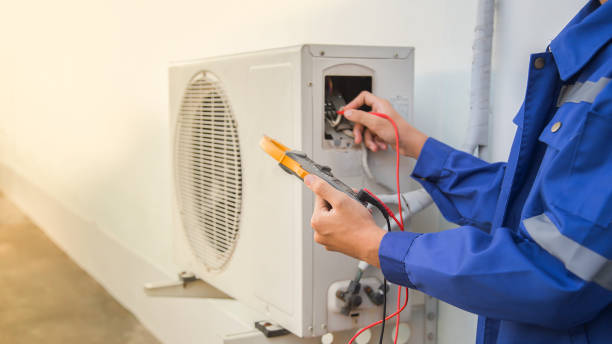
Air conditioning, HVAC service technician using gauges to check refrigerant and add refrigerant. Air conditioning, HVAC service technician using gauges to check refrigerant and add refrigerant. AC Service stock pictures, royalty-free photos & images

The Role of Your AC System in Indoor Air Quality

Your AC system does more than regulate temperature; it also helps filter out contaminants from the air. However, over time, components such as filters, ducts, and coils can accumulate dust, allergens, and other pollutants. Without proper maintenance, these elements may circulate low-quality air throughout your living space.

Key factors that impact indoor air quality include: – Dirty or clogged filters: Filters trap particles like dust, pollen, and dander but need regular replacement or cleaning to remain effective. – Poor ductwork maintenance: Ducts can harbor mold or debris that reduces airflow efficiency while spreading allergens. – Humidity control: An improperly functioning AC may fail to regulate humidity levels, potentially creating conditions conducive to mold growth.

Benefits of Professional AC Services for Better Air Quality

  1. Filter Maintenance and Upgrades
    Technicians will inspect and replace dirty filters during routine service visits. They may also recommend high-efficiency filters with better filtration capabilities if needed.
  2. Duct Cleaning Services
    Cleaning the ducts removes accumulated dust and contaminants that could otherwise circulate through your home. This minimizes exposure to allergens and promotes better respiratory health.
  3. Evaporator Coil Cleaning
    A clean evaporator coil prevents the buildup of mold or bacteria due to moisture accumulation within the system.
  4. Humidity Management
    A well-maintained system ensures proper dehumidification during operation, especially in humid climates where high moisture levels can worsen indoor air quality.

Steps Homeowners Can Take Between Professional Services

While professional services are critical for long-term results, homeowners can take small steps to ensure their systems continue providing clean air between visits: – Replace disposable filters every 1–3 months depending on usage. – Keep vents unobstructed by furniture or curtains. – Regularly check for signs of moisture around vents or ducts as these could indicate potential mold growth. – Use an air purifier for added protection against airborne particles if needed.

Problem Solution Provided by Professionals Benefit
Dirty Filters Filter replacement/upgrade Removes harmful particles
Contaminated Ducts Duct cleaning Reduces allergen circulation
Moldy Coils Evaporator coil cleaning Prevents bacterial contamination
Humidity Imbalance System optimization Enhances overall comfort

Why Prioritizing Indoor Air Quality Matters

Improved indoor air quality contributes significantly to health and overall well-being. Clean systems reduce allergens in the environment, helping those with asthma or allergies breathe easier while lowering the risk of developing respiratory issues caused by poor ventilation or pollutants.

By investing in professional AC services focused on improving indoor air quality, you’re not just maintaining your cooling system—you’re creating a healthier living space for yourself and your family year-round.

Expert Orlando FL Air Conditioning Repair to Extend Your AC System’s Lifespan

Proper maintenance and timely repairs are critical to extending the lifespan of your air conditioning system. Neglecting minor issues can lead to larger, costlier problems over time, but expert repair services can help you avoid premature replacement and keep your system running efficiently for years.

Benefits of Professional AC Repairs

  • Increased Efficiency: Professionally repaired systems run more efficiently, consuming less energy and lowering utility bills.
  • Improved Reliability: Timely fixes reduce the likelihood of unexpected breakdowns during peak seasons.
  • Enhanced Performance: Expert attention ensures optimal cooling performance, keeping indoor temperatures consistent.

Common AC Problems Requiring Repairs

  1. Refrigerant Leaks: Low refrigerant levels affect cooling efficiency and strain the system.
  2. Dirty or Clogged Filters: Restricted airflow due to clogged filters forces the unit to work harder than necessary.
  3. Faulty Thermostats: A malfunctioning thermostat leads to uneven cooling and temperature inconsistencies.
  4. Electrical Issues: Faulty wiring or worn-out components can prevent the AC from functioning properly.
  5. Frozen Evaporator Coils: Poor airflow or low refrigerant levels may cause coils to freeze, impacting performance.

Proactive Maintenance Prevents Costly Repairs

  • Schedule annual or biannual professional tune-ups to inspect and clean key components.
  • Replace air filters every 1–3 months based on usage levels.
  • Keep outdoor units free from debris such as leaves or dirt that can obstruct airflow.
Maintenance Task Frequency Benefit
Air filter replacement Monthly/Quarterly Improves airflow, boosts efficiency
Professional servicing Once or twice annually Detects potential issues early; ensures peak performance
Cleaning outdoor unit As needed Prevents obstructions that could strain internal parts

When to Call a Professional

  • Unusual noises like grinding, squealing, or banging
  • Warm air blowing instead of cool
  • Unexplained spikes in energy bills
  • Frequent short cycling (turning on and off rapidly)

By addressing these issues promptly with expert repairs, you’ll not only prolong your AC’s life but also maintain comfort in your home more reliably over time.

Long-Term Value of Professional Expertise

Investing in professional repair services ensures that minor problems don’t escalate into significant system failures. A well-maintained air conditioner delivers consistent cooling performance while reducing energy consumption and operating costs throughout its lifecycle.

Reducing the Risk of Unexpected Breakdowns by Upgrading Your AC Unit

Preventing unexpected breakdowns in your air conditioning (AC) unit is essential for maintaining a comfortable and uninterrupted indoor environment. By upgrading your system, you can significantly reduce the likelihood of sudden failures, especially during peak usage seasons. Here’s how upgrading your AC unit can help minimize risks and enhance overall reliability.

Benefits of Upgrading Your AC Unit

  1. Improved Reliability
    Older AC units are prone to wear and tear, which increases the chances of mechanical failure. Newer models are designed with advanced technology and durable components that ensure higher reliability over time.
  2. Enhanced System Efficiency
    Newer systems operate more efficiently, reducing strain on components like compressors and fans. This efficiency minimizes the risk of parts overheating or failing prematurely.
  3. Warranty Protection
    Modern systems often come with extended warranties that cover critical repairs or replacements for several years, giving you peace of mind in case issues arise.
  4. Consistent Performance
    Frequent breakdowns in older units can result in uneven cooling or heating throughout your home. An upgraded system delivers consistent performance across all areas, ensuring optimal comfort.

Air conditioning, HVAC service technician using gauges to check refrigerant and add refrigerant. Air conditioning, HVAC service technician using gauges to check refrigerant and add refrigerant. AC Service stock pictures, royalty-free photos & images

Signs It’s Time to Upgrade

Signs of an Aging AC Unit Why It’s a Problem
Frequent repairs needed Increased maintenance costs add up over time
Rising energy bills Inefficient systems use more electricity
Inconsistent temperatures Reduced cooling capacity indicates aging components
Loud operational noises Worn-out parts may be causing excessive noise
System age exceeding 10-15 years Older units are less efficient and less reliable

How Upgrades Reduce Breakdown Risks

  1. Advanced Diagnostics Features:
    Many modern AC units come equipped with diagnostic tools that monitor system performance in real time, alerting you to potential issues before they escalate.
  2. Higher Quality Components:
    The materials used in newer models are engineered to withstand continuous operation without degrading quickly.
  3. Improved Refrigerants:
    Upgraded systems use eco-friendly refrigerants like R-410A, which not only cool more efficiently but also reduce environmental impact while protecting system integrity.
  4. Smart Technology Integration:
    Smart thermostats and app-based controls allow homeowners to monitor performance remotely, ensuring timely maintenance or adjustments as needed.

Proactive Measures After Upgrading

  • Schedule annual professional maintenance to inspect critical components such as filters, coils, and refrigerant levels.
  • Replace air filters every 30-90 days (depending on usage) to maintain airflow efficiency.
  • Ensure proper installation by certified technicians for optimal system performance.
  • Keep outdoor units free from debris such as leaves or dirt that may obstruct airflow.

Investing in an upgraded air conditioning system not only enhances comfort but also eliminates many risks associated with unexpected breakdowns. A proactive approach will save you money on emergency repairs while providing stress-free operation throughout the year.

Invest in Your Home’s Comfort with Comprehensive AC Services

Investing in comprehensive AC services is one of the most effective ways to enhance the comfort of your home while ensuring efficient and reliable cooling performance throughout the year. Regular maintenance and professional care for your air conditioning system can have far-reaching benefits, ranging from energy savings to improved indoor air quality. Below, we explore how investing in these services can make a difference.

Benefits of Comprehensive AC Services

  1. Improved System Efficiency:
    Professional AC services include regular cleaning, inspection, and tune-ups, which help optimize your system’s performance by removing debris, unclogging ducts or filters, and ensuring all components are functioning efficiently.
  2. Reduced Energy Costs:
    A well-maintained air conditioner consumes less energy to cool your home because it operates at peak efficiency. This translates to noticeable savings on monthly utility bills.
  3. Enhanced Indoor Comfort:
    Timely servicing ensures that your HVAC system maintains consistent temperatures across all rooms without frequent fluctuations, creating a more comfortable living environment.
  4. Fewer Repairs:
    Routine maintenance helps identify potential problems early on before they escalate into costly repairs or cause an unexpected breakdown during extreme weather conditions.

What Does Comprehensive AC Service Include?

Service Task Description
Filter Replacement Ensures clean airflow and reduces strain on the system
Coil Cleaning Improves heat exchange efficiency by removing dirt buildup
Refrigerant Level Check Maintains proper cooling and prevents compressor damage
Electrical Inspection Checks wiring and connections for safety and functionality
Thermostat Calibration Optimizes temperature settings to save energy

Long-Term Benefits for Your Home

  • Extended Lifespan of Equipment: A well-maintained system lasts longer than one that is neglected.
  • Increased Resale Value: Prospective buyers are more likely to invest in a home with a properly functioning HVAC system.
  • Healthier Indoor Environment: Cleaner filters and ducts reduce allergens, dust particles, and bacteria circulating in the air.

Signs You Need Professional AC Services

  • Reduced airflow from vents
  • Unusual noises coming from the unit
  • Higher-than-usual electricity bills
  • Uneven cooling across rooms
  • Strange odors when the unit is running

Investing in comprehensive AC care is not merely about addressing issues as they arise—it’s about proactive planning for consistent comfort and significant savings over time. Prioritizing these services demonstrates care for both your home environment and financial well-being. By partnering with experienced HVAC professionals, you can maximize performance while minimizing stress caused by unexpected problems.

Recognizing When It’s Time for an Air Conditioning System Replacement

Air conditioning systems play a critical role in maintaining comfort in your home, especially during warmer months. However, even the most well-maintained systems must eventually be replaced. Recognizing the signs that your AC unit is nearing the end of its lifespan can save you from unexpected breakdowns, inefficient cooling, and higher energy costs. Below are key indicators that it might be time to consider replacing your air conditioning system.

Signs Your AC System May Need Replacement

  • Age of the Unit
    Most air conditioning systems have a lifespan of 10 to 15 years. If your unit is within or beyond this range, its efficiency and reliability are likely diminishing.
  • Frequent Repairs
    If you find yourself calling technicians frequently for costly repairs, these expenses could outweigh the cost of investing in a new unit.
  • Rising Energy Bills
    An older or failing AC system often struggles to function efficiently, leading to higher electricity consumption and inflated energy bills.
  • Inconsistent Cooling
    Uneven cooling throughout your home or difficulty maintaining desired temperatures can signal that your system is no longer operating optimally.
  • Excessive Noise or Leaks
    Grinding noises, unusual vibrations, or refrigerant leaks are symptoms of a failing AC unit that may not be worth repairing.

Benefits of Replacing Your Air Conditioning System

Upgrading to a modern air conditioning unit provides several advantages beyond just eliminating the issues above.

  1. Improved Energy Efficiency
    Newer models comply with updated energy efficiency standards (such as those indicated by SEER ratings). This translates into lower monthly utility bills while reducing your environmental footprint.
  2. Enhanced Comfort Features
    Modern units often include advanced features like programmable thermostats, multi-speed fans, and zoning capabilities for customized cooling across various areas of your home.
  3. Better Indoor Air Quality
    A new system includes improved filtration technologies that capture dust, pollen, mold spores, and other allergens more effectively than older models.
  4. Lower Maintenance Costs
    With fewer breakdowns and reduced need for repairs on newer units, you’ll spend less on maintenance over time compared to keeping an aging system functional.

Comparing Repair vs Replacement Costs

Factor Repair Option Replacement Option
Initial Cost Lower upfront cost Higher upfront investment
Long-Term Savings Minimal savings due to aging Significant savings through improved efficiency
Expected Lifespan Gain Temporary extension Full lifespan (10–15 years)
Risk of Breakdowns High Low

If repair costs exceed 50% of the price of a new unit and your current system is over a decade old, replacement is likely the smarter choice.

Final Thoughts on Timing Your AC Replacement

Paying attention to early warning signs and weighing long-term benefits over short-term fixes helps ensure you make an informed decision regarding when to replace your air conditioner. A proactive approach not only improves comfort but also enhances energy efficiency while safeguarding against unexpected failures.

How Professional AC Services Can Improve Your Overall Home Environment

A well-functioning air conditioning system contributes significantly to the comfort and health of your home environment. Professional AC services go beyond basic maintenance, addressing efficiency, air quality, and overall functionality. Here’s how expert services can enhance your living space in tangible ways.

Improved Indoor Air Quality

  • Cleaning and replacing air filters: Dirty or clogged filters reduce airflow and can spread contaminants throughout your home.
  • Inspecting ductwork for leaks or buildup: Duct leaks can introduce pollutants like dust or mold spores into the air supply system.
  • Installing advanced filtration systems: Technicians may recommend High-Efficiency Particulate Air (HEPA) filters or UV light purifiers for homes with allergy-sensitive individuals.

Cleaner air leads to fewer respiratory issues, reduced allergies, and a fresher overall atmosphere within your living spaces.

Enhanced Cooling Efficiency

  1. Refrigerant Level Checks – Maintaining proper refrigerant levels allows the system to cool effectively without undue strain on components.
  2. Evaporator and Condenser Coil Cleaning – Dirty coils impede heat exchange processes, making it harder for the system to maintain desired temperatures.
  3. Calibrating Thermostats – A properly calibrated thermostat ensures accurate temperature readings for consistent cooling performance.

Efficient cooling not only enhances comfort but also reduces energy waste over time.

Reduced Noise Levels

Older or poorly maintained AC systems often produce excessive noise due to worn-out components or loose connections. During a professional service session, technicians will inspect motors, fans, and other moving parts to address any sources of noise pollution in your home environment.

This ensures a quieter operation while preventing mechanical wear that could lead to future breakdowns.

Cost Savings on Repairs and Energy Bills

Service Type Benefit Estimated Savings
Regular Maintenance Extends unit lifespan 10–15% reduction in repair costs
Filter Replacements Improves airflow & reduces strain Up to 20% on energy bills
System Tune-ups Optimizes cooling performance 5–10% improved energy efficiency

Creating a Healthier Living Space

Beyond technical improvements, professional AC services create an overall healthier home environment by regulating temperature and humidity levels effectively. Proper humidity control prevents mold growth while maintaining optimal conditions for household materials like wood furniture or flooring.

By investing in regular AC service from qualified professionals, homeowners benefit from enhanced comfort, cleaner air quality, reduced noise levels—and significant long-term savings through improved energy efficiency and reliability.


How to Recognize Signs That Your AC Unit Needs Immediate Servicing from an HVAC Company in Orlando, FL

engineer repairs air conditioner engineer repairs air conditioner AC Service stock pictures, royalty-free photos & images

Timely recognition of issues with your air conditioning (AC) unit can prevent costly repairs, improve system efficiency, and extend the equipment’s lifespan. Knowing the warning signs of potential problems is critical to maintaining a properly functioning AC system. Below, we outline common indicators that your AC unit needs immediate attention from a professional.

1. Insufficient Cooling or Uneven Temperatures

If certain rooms in your home are warmer or cooler than others, or if the AC fails to cool your space adequately despite running for long periods, it could indicate:
– A refrigerant leak
– Blocked or leaky ducts
– A failing compressor

Addressing these issues promptly ensures you avoid further strain on your system.

2. Unusual Noises Coming from the Unit

A properly functioning AC unit typically operates with minimal noise. If you notice any of the following sounds, it often signals trouble:
Grinding or screeching – May indicate motor or belt problems.
Banging or rattling – Could be caused by loose components or debris within the system.
Hissing – Often a sign of a refrigerant leak.

Ignoring these sounds may result in more extensive damage over time.

3. Foul Odors Emitted from Vents

Strange smells coming from your air vents should not be ignored as they could point to:
– Mold growth in the ductwork due to excess moisture buildup.
– Overheated wires causing a burnt odor – this is a serious issue requiring immediate attention for safety reasons.

Consider scheduling an inspection as soon as odors are detected.

4. Higher-than-Normal Energy Bills

A sudden spike in energy costs without any significant increase in usage usually means that your AC is working harder than necessary to maintain desired temperatures. Potential culprits include:
– Dirty filters restricting airflow.
– Malfunctioning parts decreasing efficiency.

Regular servicing helps prevent such inefficiencies while keeping energy costs under control.

5. Frequent Cycling On and Off

Short cycling, where the AC repeatedly turns on and off before completing a full cooling cycle, can lead to wear and tear on components like the compressor and fan motor. This symptom often points to:
– Thermostat issues
– An oversized unit for your space

Have an HVAC professional diagnose and resolve short cycling early to avoid equipment failure.

6. Persistent Moisture Around Your Unit

Pooled water or leaks near your AC unit may suggest:
– A clog in the condensate drain line leading to improper drainage. – A refrigerant leak potentially impacting cooling performance.

Both scenarios require prompt servicing to prevent water damage and ensure efficient operation.

Quick Reference Table for Orlando AC Repair Troubleshooting Signs

Sign Possible Cause Recommended Action
Insufficient Cooling Refrigerant leak/compressor issue Schedule professional inspection
Unusual Noises Loose parts/belt/motor issue Turn off unit & consult technician
Foul Odors Mold growth/electrical problem Call for immediate maintenance
High Energy Bills Dirty filters/inefficient system Perform routine maintenance checks
Frequent Cycling Thermostat error/incorrect sizing Evaluate with HVAC expert
Moisture Near Unit Drain line clog/refrigerant issue Clean lines; check for leaks

Taking proactive steps when these warning signs arise can help maintain optimal performance while preventing unnecessary expenses due to neglect or delayed repairs. Always consult certified HVAC technicians if you suspect serious underlying issues with your air conditioning system.

What to Expect During a Comprehensive Orlando AC Service Appointment

Understanding what happens during a professional AC service appointment can help you prepare and ensure your system receives the care it needs. A comprehensive AC service typically involves thorough inspection, cleaning, and maintenance of your air conditioning unit to ensure optimal functionality. Below is a detailed breakdown of what you can expect during such an appointment.

1. Initial Assessment and Inspection

The technician starts by assessing the overall condition of your AC system. This step includes:
– Checking for visible wear and tear on components such as coils, wiring, and ductwork.
– Listening for unusual noises that may indicate mechanical issues. – Evaluating the thermostat’s functionality to ensure it communicates effectively with the AC unit.

This diagnostic phase identifies potential problems before they escalate into costly repairs or replacements.

2. Cleaning Key Components

Component Why It’s Important to Clean
Air Filters Blocked filters restrict airflow, reducing efficiency.
Evaporator Coils Dirty coils hinder heat exchange, straining the unit.
Condenser Coils Build-up impacts cooling performance significantly.
Drain Lines Clogged drains can lead to leaks or water damage.

By removing dust, dirt, and grime from these areas, the technician ensures smoother operation and improved air quality.

3. Lubrication of Moving Parts

All moving components like motors or fans need adequate lubrication to reduce friction during operation. Lack of lubrication increases wear on parts, leading to higher energy consumption or breakdowns over time.

4. Refrigerant Level Check

Low refrigerant levels often result in poor cooling performance or longer cooling cycles that increase energy usage. The technician will:
– Measure refrigerant levels. – Identify leaks if levels are below recommended specifications. – Recharge refrigerant (if necessary) after repairing any detected leaks.

Proper refrigerant levels are critical for maintaining your unit’s energy efficiency.

5. Electrical Component Inspection

Faulty electrical connections pose safety risks and may prevent your AC from functioning properly. During a service visit:
– Wires are inspected for signs of wear or corrosion. – Voltage readings are taken to confirm stable power flow. – Capacitors and relays are tested for proper operation.

This ensures reliable performance while reducing potential fire hazards associated with malfunctioning electrical parts.

6. Performance Testing Post-Maintenance

Once cleaning and repairs are complete, technicians will test the system’s performance in various settings:
– Verifying effective cooling across all temperature ranges. – Ensuring airflow is consistent throughout ventilation ducts. – Confirming there are no abnormal noises or vibrations during operation.

Performance testing guarantees that your air conditioner is operating at its peak efficiency before concluding the service session.

Regularly scheduling comprehensive AC services not only extends your system’s lifespan but also improves energy efficiency while minimizing unexpected breakdowns during peak seasons.

Woman Looking At Technician Repairing Air Conditioner Young Woman Looking At Male Technician Repairing Air Conditioner Mounted On Brick Wall AC Service stock pictures, royalty-free photos & images

What to Expect During a Comprehensive AC Service Appointment

A comprehensive AC service appointment is essential for maintaining the efficiency, longevity, and performance of your air conditioning system. Understanding what happens during such a service can help you better prepare and ensure that your unit is receiving the attention it needs. Below is a detailed breakdown of what typically occurs during an AC service appointment.

Inspection and Diagnosis

  • Examine the outdoor and indoor units for any visible signs of wear or damage.
  • Inspect electrical components such as wiring, capacitors, and relays for potential issues.
  • Check refrigerant levels to ensure there are no leaks or deficiencies.
  • Assess ductwork (if applicable) for blockages, leaks, or other inefficiencies.

If any problems are identified during this phase, they will usually inform you about repair options before proceeding.

Cleaning Components

  • Air Filters: Dirty filters are cleaned (or replaced if necessary) to improve airflow and indoor air quality.
  • Condenser Coils: These coils are cleaned to enhance heat transfer efficiency and prevent strain on the compressor.
  • Evaporator Coils: The inside coils may also be cleaned to remove dirt buildup that can hinder performance.
  • Fans: Both blower fans inside the unit and condenser fan blades outside will be inspected and wiped free of dust or debris.

By removing accumulated dirt from these components, energy efficiency can increase while preventing breakdowns caused by overheating.

Lubrication of Moving Parts

Over time, moving parts such as motors and bearings may wear out due to friction. During servicing, these components are lubricated where necessary to reduce friction-related wear-and-tear. Proper lubrication not only extends the life of parts but also ensures quieter operation.

Testing System Performance

  • Verifying thermostat accuracy.
  • Measuring airflow output at vents.
  • Checking if cooling cycles function correctly without short cycling or inefficiencies.

They may also monitor temperature differences between supply and return air ducts to confirm proper cooling performance.

Refrigerant Levels Check

Refrigerant plays a key role in cooling efficiency. A professional technician will measure refrigerant levels during servicing using specialized tools. If levels are low due to leaks or other issues, they’ll address it accordingly—either by repairing leaks or recharging refrigerant based on manufacturer specifications.

Electrical Components Testing

  • Connections are tightened where needed.
  • Voltage readings across terminals are taken.
  • Safety switches like circuit breakers are tested for reliability.

By ensuring all electrical elements work properly, risks such as short circuits or sudden outages can be minimized.

Component Process Benefit
Air Filter Cleaned/ Replaced Improved airflow & indoor air quality
Condenser Coil Cleaned Enhanced heat transfer & energy efficiency
Refrigerant Checked/Recharged Consistent cooling output
Fan Motors Lubricated & Inspected Reduced noise; extended part lifespan
Thermostat Tested Ensured accurate temperature control

Final Recommendations

  1. Suggested upgrades (such as programmable thermostats).
  2. Advice on how frequently filters should be changed based on usage patterns or environment type (dusty vs clean areas).

Understanding these steps ensures transparency while building confidence in regular maintenance practices for long-term savings and comfort at home.

Does Professional AC Servicing Help Lower Electricity Bills and Improve Efficiency?

Regular professional AC servicing plays a crucial role in maintaining the efficiency of your air conditioning unit while also reducing electricity bills. Neglecting routine maintenance can lead to decreased performance, higher energy consumption, and costly repairs over time. Below is an in-depth look at how professional servicing impacts efficiency and energy costs.

How Professional Servicing Improves Efficiency

  • Clean or Replace Air Filters: Dirty air filters restrict airflow, forcing the system to work harder. Replacing or cleaning them during servicing ensures smooth airflow and reduces strain on the unit.
  • Coil Cleaning: Dust and debris accumulate on evaporator and condenser coils over time, reducing heat absorption and dissipation. Cleaning these coils improves cooling efficiency.
  • Checking Refrigerant Levels: Low refrigerant levels hinder the cooling process and increase energy usage. During servicing, technicians check for leaks and ensure proper refrigerant levels.
  • Lubricating Moving Parts: Components such as fans or motors require regular lubrication to reduce friction. Proper lubrication lowers energy consumption while extending the lifespan of these parts.
  • Inspecting Electrical Components: Loose wiring or corroded terminals create inefficiencies that affect overall system performance. Technicians ensure all electrical connections are secure.

The Impact on Electricity Bills

  1. Reduced System Strain: A well-maintained unit doesn’t have to run longer cycles to cool your space effectively.
  2. Prevention of Energy Loss: Issues like clogged filters or refrigerant leaks cause energy wastage, which can be avoided through timely servicing.
  3. Enhanced Thermostat Accuracy: Calibration checks during servicing help maintain accurate temperature settings, preventing excessive power usage.
Issue Addressed Impact Without Servicing Savings with Regular Servicing
Dirty Air Filters 5–15% higher energy consumption Lower energy bills by improving airflow
Refrigerant Leaks Increased strain, reduced cooling Efficient cooling with optimal refrigerant levels
Dusty Coils Decreased heat transfer efficiency Enhanced heat exchange capabilities
Faulty Electrical Wiring Risk of power surges Stable operation with secure connections

Additional Benefits of Improved Efficiency

  • Extended Lifespan of Equipment: Efficient systems experience less wear and tear, prolonging their operational life.
  • Environmentally Friendly Operation: Reduced electricity consumption means fewer greenhouse gas emissions, contributing to a lower carbon footprint.

Maintenance Frequency for Maximum Efficiency

To maximize cost savings and maintain high efficiency: – Schedule annual professional checks at a minimum. – In areas with heavy AC usage (e.g., hot climates), consider biannual servicing.

By investing in regular maintenance from qualified professionals, you can ensure that your air conditioning system performs optimally while keeping electricity costs under control.

Repairman cleaning and fixing indoors AC unit. Repairman cleaning and fixing indoors AC unit. AC Service stock pictures, royalty-free photos & images

Does Professional AC Servicing Help Lower Electricity Bills and Improve Efficiency?

Professional AC servicing plays a crucial role in maintaining the efficiency of your unit and reducing electricity costs. When your air conditioning system operates at peak performance, it consumes less energy, leading to noticeable savings on utility bills. Let’s explore how professional servicing achieves this and why it’s an essential investment for every homeowner.

Ways Professional AC Servicing Lowers Electricity Bills

  1. Enhanced Airflow
    Dust, dirt, and debris can accumulate in various components of your AC system over time, restricting airflow. During a professional service, technicians clean air filters, ducts, vents, and other parts to ensure unobstructed airflow. This minimizes the strain on the system and allows it to cool your home efficiently without consuming extra power.
  2. Optimized Cooling Performance
    Regular servicing ensures that refrigerant levels are adequate and that there are no leaks affecting performance. A properly charged refrigerant level allows the system to cool effectively without overworking itself.
  3. Component Longevity
    Dirty or worn-out components force the AC unit to run longer cycles to achieve desired temperatures. This additional runtime increases energy consumption significantly. By repairing or replacing faulty parts during a service appointment, technicians restore efficiency and prevent excessive power use.
  4. System Calibration
    Technicians typically check the thermostat calibration as part of routine maintenance. If your thermostat isn’t accurately reading temperatures or communicating with your AC unit effectively, you could be wasting energy by overcooling or undercooling your space.

How Servicing Improves Overall Efficiency

  • Preventive Maintenance: Detecting issues early during regular servicing prevents major breakdowns later, ensuring continuous smooth operation.
  • Cleaning Coils: Dirty evaporator and condenser coils reduce heat transfer efficiency, forcing the system to consume more energy.
  • Lubricating Moving Parts: Components such as fans or motors require lubrication for frictionless operation; neglect leads to excess wear-and-tear impacting performance.

Real-Life Impact: Cost Savings Over Time

Parameter Without Regular Service With Regular Service
Average Monthly Electricity Bill $150 $120
Frequency of Repairs High Low
Lifespan of Unit 8–10 years 12–15 years

Note: These values are approximate and can vary depending on factors such as usage patterns and environmental conditions.

Additional Tips for Maximizing Efficiency

  • Use ceiling fans alongside your AC unit to distribute cool air more effectively.
  • Set thermostats at energy-efficient yet comfortable temperatures (ideally between 72–78°F during warmer months).
  • Invest in smart thermostats that allow precise control over cooling schedules.
  • Seal windows and doors properly to minimize cool air loss.

Professional AC servicing is not just about immediate fixes; it’s about ensuring long-term efficiency while reducing operational costs. By scheduling routine maintenance with qualified experts, you can enjoy reliable cooling without worrying about soaring electricity bills each summer season.

Is Annual AC Servicing Enough or Should You Consider More Frequent Checks?

Regular maintenance of your air conditioning system is key to ensuring optimal performance, longevity, and energy efficiency. While annual servicing is commonly recommended, certain factors may necessitate more frequent checks. Below, we’ll explore whether yearly maintenance suffices for your AC unit or if additional servicing might be beneficial.

Why Annual Servicing is Often Recommended

  • Optimal Performance: Regular servicing keeps the unit running efficiently by addressing wear and tear on components.
  • Energy Efficiency: A well-maintained system uses less energy to cool your space.
  • Prolonged Lifespan: Preventative care reduces the likelihood of breakdowns and extends the overall life of your AC.
  • Improved Air Quality: Cleaning filters, coils, and ducts helps remove dust, allergens, and pollutants from circulating air.

For many homeowners with moderate usage patterns, an annual appointment is sufficient to achieve these benefits. However, there are circumstances where biannual or quarterly servicing might prove advantageous.

When More Frequent Checks Might Be Necessary

  1. In hot climates where AC use is constant almost year-round.
  2. For large households with multiple occupants who rely heavily on cooling systems.
  3. Office buildings or retail spaces often run HVAC systems continuously during business hours.
  4. These units experience higher operational stress compared to residential systems.
  5. If you live in areas prone to heavy dust, pollution, or allergens (e.g., near construction zones), filters and components may clog faster.
  6. Older air conditioning units may require closer attention as age increases wear and tear on critical parts like compressors and motors.
  7. Rising utility bills without a change in usage patterns.
  8. Unusual noises like clanking or buzzing.
  9. Inconsistent cooling temperatures throughout your home.

Comparing Maintenance Frequencies

Maintenance Frequency Best For Benefits
Once a Year Residential users with moderate usage Standard upkeep for efficiency & lifespan
Twice a Year High use households; older systems Extra cleaning & tuning for optimal results
Quarterly Commercial setups; harsh environments Enhanced reliability; avoids major repairs

How to Determine the Right Schedule for Your Needs

  • Assess how often you rely on your air conditioner throughout the year.
  • Factor in local environmental conditions that could impact performance.
  • Monitor changes in energy consumption and system efficiency over time.

If you’re uncertain about what servicing schedule suits your needs best, consult a professional HVAC technician who can assess specific requirements based on unit type, age, and usage patterns. Keeping up with regular service appointments ensures that problems are identified early before escalating into costly repairs or replacements later on.


How Orlando AC Service Ensures Optimal Performance and Comfort in Your Home

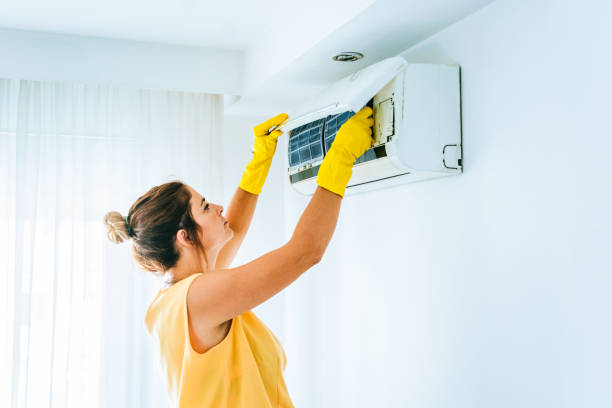
Woman Cleaning Air Conditioning System stock photo Woman Cleaning Air Conditioning System stock photo AC Service stock pictures, royalty-free photos & images

Ensuring that your air conditioning (AC) system is regularly serviced is vital to maintaining a comfortable and efficient home environment. Regular AC maintenance provides significant benefits, ranging from improved performance to enhanced indoor comfort. Neglecting routine service can result in poor system efficiency, increased energy bills, and unexpected breakdowns. Below are some of the key reasons why periodic AC servicing is essential.

Reliable Orlando FL Air Conditioning Repair for Enhanced Cooling Efficiency

Over time, dust, debris, and other contaminants can build up within your air conditioning unit. This accumulation can block airflow and reduce the system’s cooling capacity. Regular servicing ensures that components like filters, evaporator coils, and condenser fins are cleaned thoroughly.

  • Faster cooling times
  • More consistent indoor temperatures
  • Reduced strain on the AC system

Reduced Energy Consumption

A well-maintained AC unit consumes less energy compared to one that has been neglected. A dirty or clogged system requires more power to function optimally.

  • Refrigerant levels
  • Thermostat calibration
  • Electrical connections

This not only reduces energy consumption but also helps lower monthly utility bills while contributing to a greener environment.

Prevention of Sudden Breakdowns

Regular maintenance allows technicians to identify and address minor issues before they escalate into costly repairs or complete system failures.

  • Refrigerant leaks
  • Worn-out belts or components
  • Faulty electrical controls or sensors

Addressing these problems before they worsen ensures uninterrupted comfort during peak summer months.

An unmaintained air conditioner can contribute to poor indoor air quality by circulating dust, allergens, and even mold throughout your home. As part of regular service, technicians replace or clean filters and inspect for signs of mold growth within ducts or coils. Selecting high-quality filters designed for allergen reduction can further enhance air quality.

Recommended Filter Maintenance Frequency (Table)

Filter Type Maintenance Frequency
Standard Filters Every 1–3 months
Pleated Filters Every 3–6 months
HEPA Filters Every 6–12 months

Prolonged System Lifespan

With routine care, an air conditioning unit operates more efficiently over a longer period of time. Neglecting service may lead to wear-and-tear damage that shortens the lifespan of critical components such as compressors or fans. Regular tune-ups help ensure optimal performance year after year.

Key Routine Service Tasks Performed by Professionals

  • Inspection of refrigerant levels and pressure
  • Cleaning of condenser and evaporator coils
  • Examination of electrical connections for safety hazards
  • Lubrication of moving parts like fan motors
  • Testing thermostat accuracy

By scheduling regular servicing at least once annually—preferably before summer—you ensure your home remains comfortable while avoiding unnecessary expenses associated with neglect or inefficient operation.

Discover How an HVAC Company Orlando, FL Can Improve Energy Efficiency and Lower Your Utility Bills

Professional air conditioning (AC) service plays a vital role in optimizing energy efficiency, which directly translates into lower utility bills. A well-maintained AC system operates more effectively, using less energy to achieve the desired indoor temperature. This not only reduces costs but also minimizes your environmental footprint. Below are some key areas where professional AC service enhances energy efficiency and contributes to savings.

Benefits of Improved Energy Efficiency

  1. Regular maintenance ensures that components like filters, coils, and fins are clean and functioning optimally.
  2. Dust and debris buildup forces the system to work harder, consuming more energy; clean systems negate this issue.
  3. Proper lubrication of moving parts reduces friction and prevents wear.
  4. Thermostat calibration ensures accurate temperature control, preventing overcooling or overheating.
  5. Enhanced efficiency means the unit doesn’t need to run as frequently or for extended periods.
  6. Reduced strain on your HVAC system leads to consistent energy savings over time.

Key Services That Improve Energy Efficiency

  • Filter Replacement:Dirty filters restrict airflow, making the unit work harder. Regular replacement maintains smooth airflow and efficiency.
  • Coil Cleaning:The evaporator and condenser coils play pivotal roles in heat exchange. Over time, dirt can insulate these coils, reducing their ability to transfer heat.
  • Duct Sealing:Leaky ducts can cause cooled air to escape before it reaches your living spaces. Sealing leaks improves overall cooling performance while saving energy.
  • Refrigerant Level Checks:Low refrigerant levels can lead to inefficient cooling cycles, while overcharging can harm the compressor.

Tips for Maintaining Energy Efficiency Between Professional Services

  • Keep vents unobstructed by furniture or curtains for better airflow distribution.
  • Use a programmable thermostat to regulate temperatures efficiently throughout the day.
  • Inspect outdoor units periodically for debris like leaves or dirt that might block airflow.

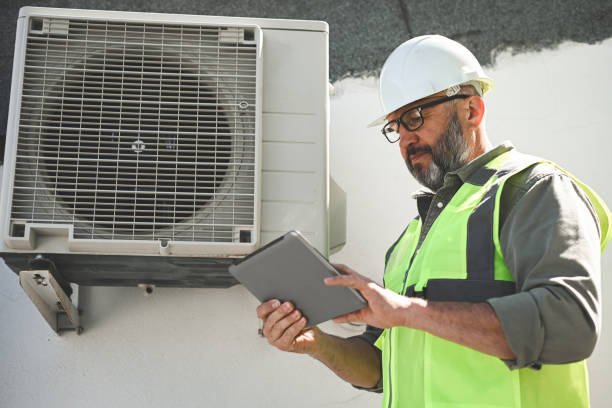
Air conditioner repairman works on home unit. Blue collar worker. Repairmen works on a home's air conditioner unit outdoors. He is checking the compressor inside the unit using a digital tablet. He wears a navy blue uniform and his safety glasses. AC Service stock pictures, royalty-free photos & images

Table: Estimated Energy Savings from Regular AC Service

Service Component Potential Savings on Utility Bills (%)
Filter Replacement 5–15%
Coil Cleaning 10–20%
Duct Sealing 15–25%

These percentages demonstrate how each type of service contributes significantly toward an efficient cooling system.

Maintaining an energy-efficient AC is not just about reducing costs—it’s also about promoting sustainable living by lowering overall energy usage. Partnering with experienced professionals ensures you get the most out of your air conditioning unit while keeping utility bills under control year-round.

Your air conditioning system plays a significant role in this, as it regulates not only temperature but also the cleanliness and circulation of the air within your home. Regular maintenance and servicing of your AC unit can substantially enhance IAQ.

  1. Reduced Health Risks
    Poor IAQ can contribute to a range of health issues, including allergies, asthma, and respiratory infections.
  2. Dust and allergens
  3. Mold spores
  4. Bacteria and viruses
  5. Harmful chemicals like VOCs (volatile organic compounds)
  6. Better Comfort Levels
    Clean air free from contaminants leads to a more comfortable living environment. Reduced humidity levels, along with filtered air, prevent musty odors and create an overall fresher atmosphere.
  7. Increased Productivity
    Studies suggest that high IAQ can improve mental clarity, focus, and productivity at home—especially crucial for those working remotely or studying.
  • Filter Replacement or Cleaning:Dirty or clogged filters reduce airflow efficiency while allowing contaminants into your space. A clean air filter traps harmful particles effectively.
  • Duct Cleaning:Over time, dust and debris collect in the ductwork of your HVAC system. Professional duct cleaning prevents recirculation of pollutants throughout the house.
  • Inspecting Coils:The evaporator coils in your unit can accumulate dirt, encouraging mold growth if not cleaned regularly.
  • Optimizing Humidity Control:A well-maintained AC system helps maintain optimal humidity levels (30%-50%), preventing excessive moisture that leads to mold or mildew development.

Signs That Your IAQ May Be Compromised

Symptom Possible Cause
Increasing allergy symptoms Dust accumulation or clogged filters
Persistent odors Mold growth in ducts or parts of the HVAC system
Uneven cooling Blocked airflow due to dirty components
Excessive humidity indoors System inefficiency influencing moisture control

Addressing these symptoms through professional service ensures cleaner air while improving overall functionality.

Proactive Measures for Maintaining Good IAQ

  1. Use high-quality HEPA filters to capture finer particles.
  2. Keep windows closed during peak pollen seasons to limit allergens entering the house.
  3. Regularly vacuum carpets and upholstery using cleaners equipped with strong filtration systems.
  4. Monitor household humidity levels using a hygrometer.

With professional attention combined with these proactive measures, you can ensure enhanced indoor air quality—and by extension—a healthier home environment all year round.

Understanding the Prevention of Costly AC Repairs with Timely and Effective AC Service

Proactive air conditioning (AC) service plays a critical role in ensuring your cooling system stays operational while avoiding costly repairs. Many homeowners overlook routine maintenance, which can lead to equipment failures, unexpected expenses, and reduced efficiency. Here’s how timely and effective AC servicing helps prevent expensive repairs.

Identifying Issues Early

One of the primary benefits of regular AC service is early problem detection. Technicians can identify minor issues before they escalate into larger, costlier breakdowns.

  • Refrigerant leaks
  • Clogged condensate drains
  • Loose or faulty electrical connections
  • Dirty or worn-out filters

Addressing these concerns promptly prevents further damage to the system and reduces repair costs significantly.

Keeping Components in Optimal Condition

AC systems rely on a variety of components working together seamlessly. Over time, these parts can wear out or become inefficient without proper care.

  • Cleaning Coils:Dust and debris on evaporator and condenser coils reduce efficiency and strain the compressor.
  • Lubricating Moving Parts:Proper lubrication minimizes friction, reducing wear and tear on components like fans and motors.
  • Testing Thermostat Accuracy:Ensures your home maintains the desired temperature without overworking the system.

By maintaining these components, you’ll experience fewer breakdowns and avoid expensive part replacements.

Preventing System Overload

When an AC unit isn’t serviced regularly, it may have to work harder than necessary to cool your home effectively.

  • Compressors
  • Fan motors
  • Electrical circuits

Routine maintenance reduces this burden by improving overall system performance, helping you avoid costly emergency repairs.

Reduced Risk of Emergencies

An unexpected AC failure during peak summer months can be both inconvenient and expensive. Emergency repair services often come with higher rates due to urgent scheduling needs, especially during high-demand seasons. Regular servicing minimizes the likelihood of such emergencies by keeping your system reliable year-round.

Sample Table: Maintenance Frequency vs Potential Repair Costs

Maintenance Frequency Potential Repair Costs (Annual Estimate)
Annual Service $0–$200
Irregular Maintenance $300–$700
No Maintenance $1,000+

Long-Term Savings with Preventive Care

Investing in regular AC service doesn’t just help avert repairs; it also extends your unit’s lifespan while maximizing efficiency. A well-maintained system enjoys stable performance for years without significant investment in upgrades or replacements.

Timely servicing is essential for maintaining comfort without breaking the bank. By addressing minor issues early, keeping all components clean, reducing strain on the system, and lowering emergency risks, homeowners can save thousands in potential repair costs while enjoying uninterrupted cooling throughout the year.

Technician checking the operation of the air conditioner Technician checking the operation of the air conditioner AC Service stock pictures, royalty-free photos & images

Maximizing Comfort in Orlando with Reliable Orlando AC Repair Services

Keeping your air conditioning system in optimal condition is essential for maintaining comfort and efficiency in your home. When repairs are no longer sufficient, expert AC replacement services can be the key to extending the lifespan of your cooling system. Below, we explore how professional replacement services can make a significant difference and ensure long-term performance.

When Is It Time to Replace Your AC Unit?

Understanding when to replace your air conditioning unit is critical.

  • Frequent Repairs: If you find yourself calling for repairs regularly, the cumulative costs may equal or exceed the price of a new unit.
  • Age of the Unit: Most AC units have an average lifespan of 10–15 years. Older systems tend to lose efficiency and require more maintenance.
  • Rising Energy Bills: An outdated or failing system often results in higher utility costs due to reduced efficiency.
  • Inconsistent Cooling: Uneven temperatures across your home could indicate that your unit is struggling to maintain proper airflow and cooling levels.

Benefits of Professional AC Replacement Services

Replacing an air conditioning unit is a complex process that requires technical expertise.

Proper System Sizing

Professional technicians evaluate your home’s cooling requirements before recommending a replacement unit. Oversized or undersized systems can lead to premature wear, inefficiency, and increased energy consumption.

Enhanced Efficiency

Modern air conditioners are designed with advanced technology that exceeds older models in terms of energy efficiency. By upgrading with professional guidance, you can benefit from optimal SEER (Seasonal Energy Efficiency Ratio) ratings.

Correct Installation Techniques

Improper installation shortcuts the lifespan of any HVAC equipment. Certified technicians ensure every component—from ductwork connections to refrigerant levels—is installed according to manufacturer guidelines.

Warranty Protection

Hiring experts often ensures that your new system remains under warranty by adhering strictly to installation standards provided by manufacturers.

Tips for Maximizing Your New Unit’s Lifespan

  1. Schedule Regular Maintenance: Annual tune-ups keep components clean and functional while identifying potential issues early.
  2. Replace Air Filters Regularly: Dirty filters hinder airflow and force the system to work harder than necessary.
  3. Monitor Thermostat Settings: Avoid drastic temperature adjustments; instead, use programmable thermostats for better energy management.
  4. Keep Outdoor Units Clean: Clear debris like leaves or dirt from around outdoor condensers for optimal airflow.
Maintenance Task Frequency Impact on Lifespan
Air Filter Replacement Every 1–3 Months Prevents strain on internal components
Professional Tune-Up Annually Identifies wear-and-tear issues early
Cleaning Outdoor Coils Annually Ensures efficient heat exchange

Why Long-Term Planning Matters

Investing in expert AC replacement services isn’t just about addressing immediate needs—it’s about setting up a reliable cooling infrastructure for years to come. A properly selected and installed unit minimizes repair costs while providing consistent comfort even during peak summer months.

By considering both current needs and future savings, homeowners can make informed decisions about their HVAC systems, ensuring longevity without compromising on performance or energy efficiency.